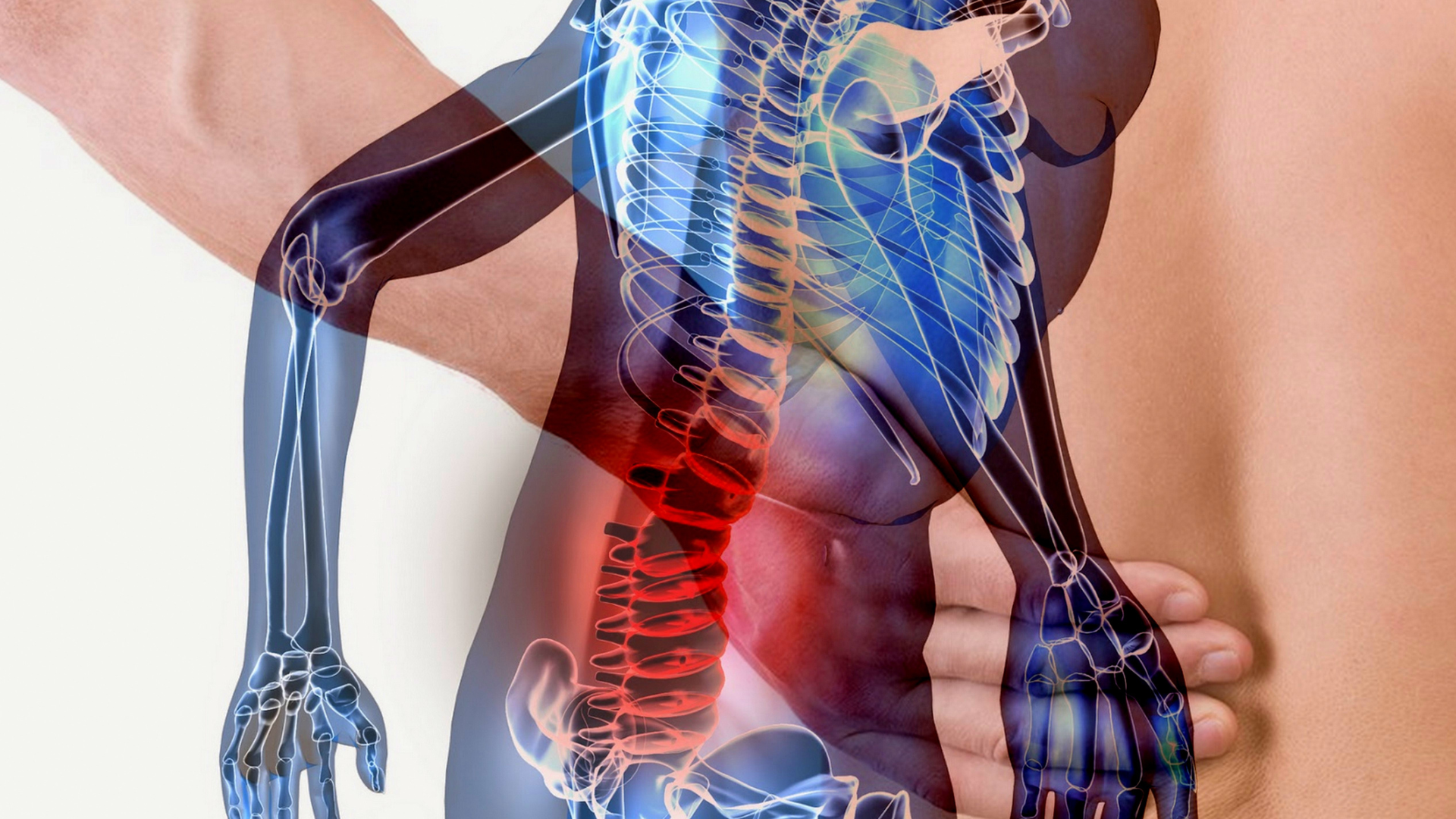
In Traditional Chinese Medicine (TCM), pain in any form is considered to be caused by a combination of qi stagnation and blood stasis, combined with other conditions such as dampness, heat, or cold as defined in the traditional philosophy. Acupuncture has been used for centuries to treat pain in all of its manifestations with tremendous success at reducing or eliminating pain altogether. Throughout the majority of that time, accumulated data has been anecdotal, based on subjective reporting. Despite differences in treatment techniques and education worldwide, similar reporting over 2,500 years lends significant supportive weight to acupuncture’s efficacy.
Acupuncture has been proven—through controlled trials—to be an effective treatment for a range of conditions, including low back pain, neck pain, osteoarthritis, headache, and migraine.
World Health Organization (WHO), Acupuncture: Review and Analysis of Reports on Controlled Clinical Trials
Early attempts at randomized control trial studies, the gold standard of Western scientific research, were flawed in their designs, attempting to apply standardized methods of “real vs sham treatment” without recognition that stimulation of an acupuncture point, whether by needle or by pressure, still results in activation of the point and nullification of the “sham” treatment arm of any study. Those studies therefore could never demonstrate superiority of benefit with acupuncture over sham treatment. They could however, consistently show the benefit of both sham and real treatment over no treatment at all, an outcome often attributed at the time to the placebo effect. Subsequent improvement in study designs has yielded more significant results favoring acupuncture as a valid treatment modality with evidence supporting both immediate and long-term benefit lasting months, even up to a year post treatment. More thoughtfully designed investigations have produced interesting results in their efforts to unravel why acupuncture works at all, including evidence of the elaboration of local modulators such as adenosine at the site of needling, segmental spinal inhibition by lesser intensity stimulation as postulated by the “gate theory” modulation of pain, and the central and peripheral production of endogenous opioids in response to needle introduction. Research within the past 5 years has shown that acupuncture exerts strong anti-inflammatory influence in multiple biological systems, including neuromuscular, digestive, endocrine, respiratory, genitourinary, immune and circulatory systems, inhibiting oxidative stress and preventing infiltration of inflammatory cells.
Medical technology has also evolved sufficiently to identify the independent effects of acupuncture point stimulation. Functional MRI demonstrates reproducible activity in specific areas in the brain in response to activation of legitimate acupuncture points but not with needling of areas not containing an acupoint. Furthermore, the brain regions triggered are areas whose functions correlate with the documented actions of the stimulated acupoints. In addition, acupuncture point stimulation triggers activity in brain areas associated with emotional and cognitive processing, locations that are shown by PET/PET-CT imaging to elaborate increased endorphin receptor binding. These findings suggest that the diminution in pain perception is addressed as a multilayered phenomenon by this single treatment method.
In clinical practice, whether defined in traditional terms or through Western physiological parameters, acupuncture excels at improving or eliminating pain from multiple etiologies, regardless of its duration prior to seeking treatment. The affected areas are treated directly, unless they are inaccessible, along with any underlying contributing conditions in an approach known as a “root and branch” technique. How long a painful condition must be treated is not only dependent upon its cause, but also upon its chronicity, with chronic pain requiring persistent care in order to precipitate therapeutic benefit. At its most fundamental, acupuncture is a process of teaching the body to heal itself as much as it is capable under presenting circumstances. Acute and subacute pain, such as that associated with recent traumatic injury, can resolve with only a few treatments, particularly if the injury is minor or moderate. The longer the body has tolerated a condition, such as with progressive osteoarthritis, the greater the difficulty in getting it to accept change, even if it is beneficial. With consistent treatment through the initial healing phase and periodic follow-up treatments as needed, use of this therapy can result in long-term improvement or even resolution of the pain.
1. Experimental and Therapeutic Medicine 10: 1247-1252, 2015, DOI: 10.3892/etm.2015.2653
2. Pain Rep. 2024 Sep 13;9(5):e1188. doi: 10.1097/PR9.0000000000001188
3. J Inflamm Res. 2021 Dec 21;14:7191–7224. doi: 10.2147/JIR.S341581
4. PLoS One. 2012 Apr 9;7(4):e32960. doi: 10.1371/journal.pone.0032960
5. J. Magn. Reson. Imaging 2010;31:71–77, https://doi.org/10.1002/jmri.22006