


Laser Acupuncture Using the PTL-II Laser: A Comprehensive Clinical Overview
Laser acupuncture is an evolving treatment modality that combines traditional acupuncture principles with modern photobiomodulation (PBM) technology. Instead of needles, low-level laser light is applied to classical acupuncture points to stimulate physiological responses. Dr. Yelverton employs the widely popular PTL-II laser therapy system, a handheld low-power red laser designed for safe clinical use in her practice.
The PTL-II Laser: device description and mechanism
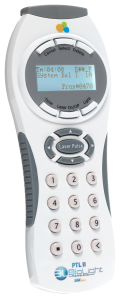 The PTL-II laser is a low-level laser therapy (LLLT) device that emits red light, typically in the 630–650 nm wavelength range, at low power (often under 5 milliwatts). It is classified as a Class IIIa therapeutic optical device. Unlike high-power surgical lasers that cut or burn tissue, the PTL-II uses cold laser light that does not heat, damage, or mechanically disrupt tissue. The photons penetrate the skin and interact with endogenous chromophores—molecules in cells that absorb light. This interaction leads to photobiomodulation, a biochemical cascade that modulates cellular activity, increases ATP production, and may influence inflammatory pathways. Clinical devices like the PTL-II are programmed with point-specific protocols so practitioners can target localized areas efficiently. Laser acupuncture provokes similar responses to needle acupuncture by stimulating meridian acupoints believed to correspond to physiological systems. Because the energy is low and non-thermal, laser acupuncture feels painless for most patients and avoids issues like bleeding or bruising associated with needles.
What to expect during treatment
A typical treatment session using a PTL-II laser involves targeting specific acupuncture points with directed red light. Points are chosen based on the patient’s complaint—musculoskeletal pain, nerve dysfunction, or systemic symptoms. Laser light is directed against the skin at each point for seconds to minutes, depending on the programmed protocol and therapeutic goal. Patients usually feel little more than a gentle warmth, tingling, or no sensation at all. Sessions vary in duration but often range from 10 to 30 minutes with an average of 15 minutes for a complete treatment. Therapeutic plans commonly span multiple sessions over several weeks using a prescribed multilayered protocol. Many patients report subjective improvements in pain, function, or comfort after only a few treatments.
Clinical evidence for safety, pain reduction and functional benefits
Clinical research on laser acupuncture broadly combines studies of low-level laser therapy applied at acupuncture points. Although specific research on the PTL-II device itself may be limited, evidence supports the general therapeutic approach. A meta-analysis of randomized controlled trials (RCTs) in musculoskeletal conditions found that laser acupuncture significantly reduced pain, improved functional outcomes, and lessened disability compared to sham treatments. The pooled effect size for pain reduction was statistically significant, indicating that laser acupuncture can produce clinically meaningful improvements in musculoskeletal pain symptoms. Another systematic review examined temporomandibular disorders (TMD) and reported that laser acupuncture showed statistically significant pain reduction compared to placebo in several RCTs, with improved jaw function observed in some studies. A meta-analysis on osteoarthritis also suggested that patients receiving laser acupuncture experienced greater reductions in pain intensity and improvements in stiffness and functional scores compared with placebo laser, although the benefits tended to diminish by eight weeks post-treatment. Finally, systematic analysis of laser acupuncture for chronic low back pain found that patients undergoing laser acupuncture experienced statistically significant immediate pain relief compared with control groups, though long-term effects at follow-up were less distinct.
Safety profile
Clinical reports generally find that laser acupuncture is safe with few adverse events when used appropriately. Because the PTL-II emits low-power light at non-thermal levels, tissue damage, burns, and systemic side effects are rare. In clinical studies, adverse reactions are infrequent and typically mild (e.g., temporary discomfort or transient sensations at the treatment site). Importantly, because laser acupuncture does not perforate the skin, risks such as infection or bleeding are minimized compared to traditional needle acupuncture.
However, even low-power lasers pose a potential eye hazard if the beam is directly viewed, so patient compliance with instructions and trained operator technique are essential safety measures employed during every visit.
Contraindications and precautions
Despite its safety, laser acupuncture is not appropriate for everyone. Contraindications include: Pregnancy:
- Direct laser application over the abdomen, lower back, or pelvic region is typically avoided due to insufficient evidence on effects during pregnancy.
- Active malignancy: Because photobiomodulation may influence cellular metabolism, use near active tumors is generally avoided until more data is available.
- Photosensitive conditions or medications: Patients taking photosensitizing drugs (e.g., some antibiotics, retinoids) may be at higher risk of adverse reactions to light stimulation.
- Epilepsy: Specific pulsed laser protocols have theoretical risk of provoking photosensitive seizures in susceptible individuals.
- Dermatoses at the treatment site: Inflamed, infected, or ulcerated skin conditions may alter the safety or effectiveness of laser penetration.
Patients are screened for these when informed consent for laser light therapy is obtained, ensuring patients understand potential benefits, contraindications and limitations.
Mechanisms in a Clinical Context
From a physiological standpoint, laser acupuncture’s effects are often attributed to photobiomodulation: altering mitochondrial activity, modulating inflammatory responses, enhancing microcirculation, and influencing nerve conduction. While the exact mechanisms remain under active investigation, PBM research supports the idea that low-level light can modify cellular signaling pathways relevant to pain and tissue repair. These effects, combined with traditional acupuncture’s neuromodulatory hypotheses (e.g., endogenous opioid release, neurotransmitter modulation), provide a plausible framework for observed clinical benefits.
Laser acupuncture with the PTL-II laser represents a safe, non-invasive alternative to traditional needle acupuncture, particularly appealing for patients who prefer needle-free interventions. Clinical evidence from randomized controlled trials and systematic reviews indicates that laser acupuncture can significantly reduce pain and improve functional outcomes in acute and chronic musculoskeletal conditions and temporomandibular disorders compared with sham or placebo controls. Its safety profile is favorable when appropriate precautions are taken, and side effects are uncommon. However, like many complementary therapies, laser acupuncture’s effectiveness varies among conditions and patients. Dr. Yelverton will discuss with you whether or not this is the most appropriate treatment technique for your condition during your consultation.
Clinical Disclaimer: This content is for informational purposes only and does not constitute medical advice. It is not intended to diagnose, treat, cure, or prevent any health condition. Always consult a qualified healthcare provider before starting any new treatment, including acupuncture, Chinese herbal medicine, Reiki, or other complementary therapies. Individual results may vary, and professional guidance is essential for personalized care.