

Traditional Chinese Medicine Based Food Therapy
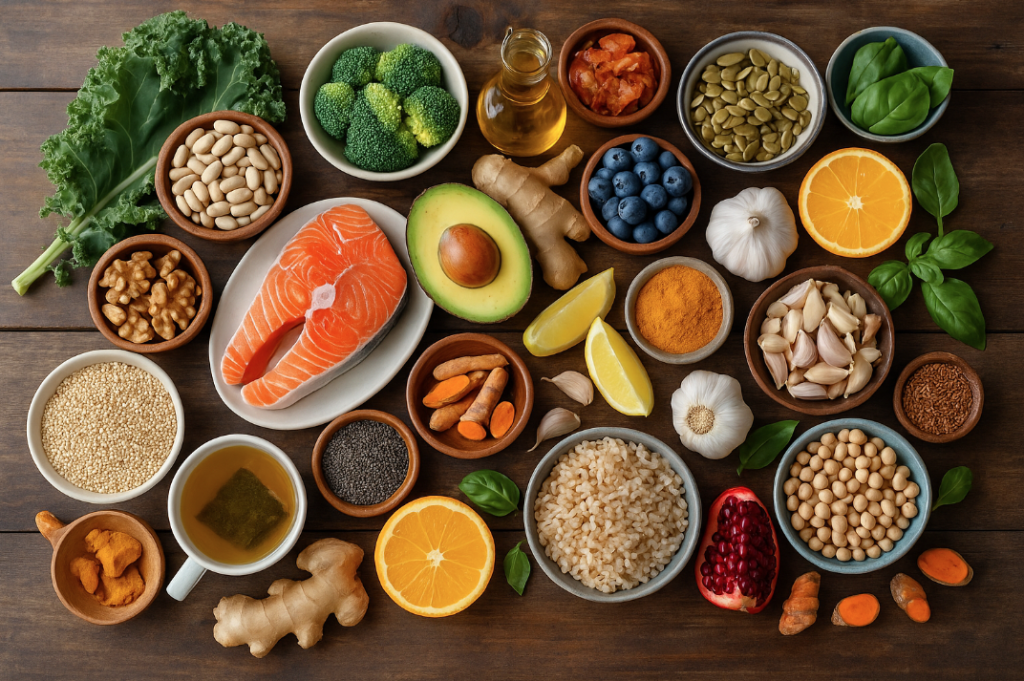
Chinese food therapy is a foundational component of Traditional Chinese Medicine (TCM). It uses dietary manipulation as a primary means of maintaining health, preventing disease, and managing illness. Rooted in the same theoretical framework as acupuncture and herbal medicine, food therapy views food not merely as nutrition but as medicine with specific energetic properties. Its principles emphasize making individualized dietary choices in alignment with constitutional needs, environmental conditions, and disease patterns, with the goal of restoring balance within the body rather than targeting isolated symptoms. This methodology is grounded in the core TCM principles of Yin and Yang, the Five Elements (Wood, Fire, Earth, Metal, and Water), Qi, Blood, and Body Fluids, and the functional organ systems (Zang-Fu). Foods are categorized according to their energetic nature (hot, warm, neutral, cool, cold), flavor (sweet, bitter, sour, pungent, salty), and directional or functional tendencies (e.g., ascending, descending, moistening, drying). For example, warming foods such as ginger or lamb are used to counteract internal cold, while cooling foods like cucumber or mung beans may be used to clear excess heat. The diagnosis of an individual’s pattern of disharmony, such as Qi deficiency, Dampness accumulation, or Yin deficiency, is determined before any dietary recommendations are made.
So, how does this work?
The foundational principle behind TCM food therapy is to support the body’s innate ability to regulate itself and maintain harmony. Unlike Western nutritional models that often focus on macronutrients, calories, or biochemical mechanisms, TCM based food therapy prioritizes functional balance and long-term resilience. It is commonly used both preventively, to strengthen the constitution and reduce susceptibility to illness, and therapeutically, to manage chronic or mild conditions. Food therapy is especially valued for its gentle nature, accessibility, and ability to be integrated into daily life without dramatic changes or significant side effects when applied appropriately.
Reasonable expectations are a critical aspect of treatment. It is not intended to produce rapid or dramatic results in acute or life-threatening conditions, nor is it a replacement for emergency medical care or necessary pharmaceutical treatment. Instead, it works gradually, often over weeks or months, to improve underlying imbalances. Patients following recommended dietary changes may expect improvements in digestion, energy levels, sleep quality, and symptom stability rather than immediate symptom elimination. Because food therapy is subtle and cumulative, consistency and long-term adherence are essential for meaningful outcomes. The efficacy of this therapy is best understood within the context of chronic disease management, preventive care, and supportive treatment. While large-scale randomized controlled trials are limited compared to pharmaceutical research, both historical data spanning thousands of years and contemporary clinical practice suggest practical effectiveness, particularly for functional disorders. Modern research has increasingly explored the anti-inflammatory, metabolic, and immunomodulatory properties of foods commonly used in TCM based food therapy, providing partial biomedical validation for traditional classifications. Its efficacy is enhanced when combined with other TCM modalities such as acupuncture, herbal medicine, and lifestyle modification.
What can Food Therapy treat?
Food therapy is commonly used to treat or manage a wide range of conditions. Digestive disorders, commonly related to Spleen Qi deficiency or Dampness accumulation, are among the most frequent applications, featuring symptoms such as poor appetite, bloating, diarrhea, constipation, and irritable bowel patterns. Conditions that manifest with chronic fatigue or edema are often addressed through warming, Spleen Qi strengthening foods like rice congee, yams, and lentils. Respiratory conditions, including recurrent colds, allergies, and mild asthma, may be managed through foods that support Lung Qi, such as pears, almonds, and white radish. Gynecological and reproductive health concerns are also commonly addressed, including menstrual irregularities, dysmenorrhea, postpartum recovery, and fertility support. Blood deficiency or stagnation patterns may be supported through foods like dates, black sesame seeds, and bone broths. Metabolic and cardiovascular conditions, such as type 2 diabetes, high cholesterol, and hypertension, may be managed through dietary strategies that resolve Damp-Heat, regulate Qi, and support Kidney function. Additionally, food therapy is often used to support aging, stress-related conditions, insomnia, and immune weakness.
TCM based food therapy represents a holistic, individualized approach to health that integrates dietary practices with the broader philosophy of Traditional Chinese Medicine. Its methodology emphasizes energetic qualities, pattern differentiation, and long-term balance rather than symptom suppression. While expectations must remain realistic and its role understood as supportive rather than curative in severe disease, food therapy offers a practical and effective means of promoting optimal health and managing chronic conditions. Through consistent application and appropriate guidance, it continues to serve as a valuable therapeutic tool in both traditional and modern healthcare systems.