Acupuncture, Electroacupuncture, and Ion Pumping Cord Therapy: An Integrative Treatment Approach
Acupuncture is a time-tested component of East Asian medicine that supports the body’s natural ability to regulate pain, inflammation, mood, and internal organ function. Modern clinical practice often integrates traditional acupuncture with evidence-informed techniques such as electroacupuncture and ion pumping cord therapy to enhance therapeutic outcomes. Together, these modalities offer a comprehensive, non-pharmacologic approach for addressing both acute and chronic conditions.
Acupuncture
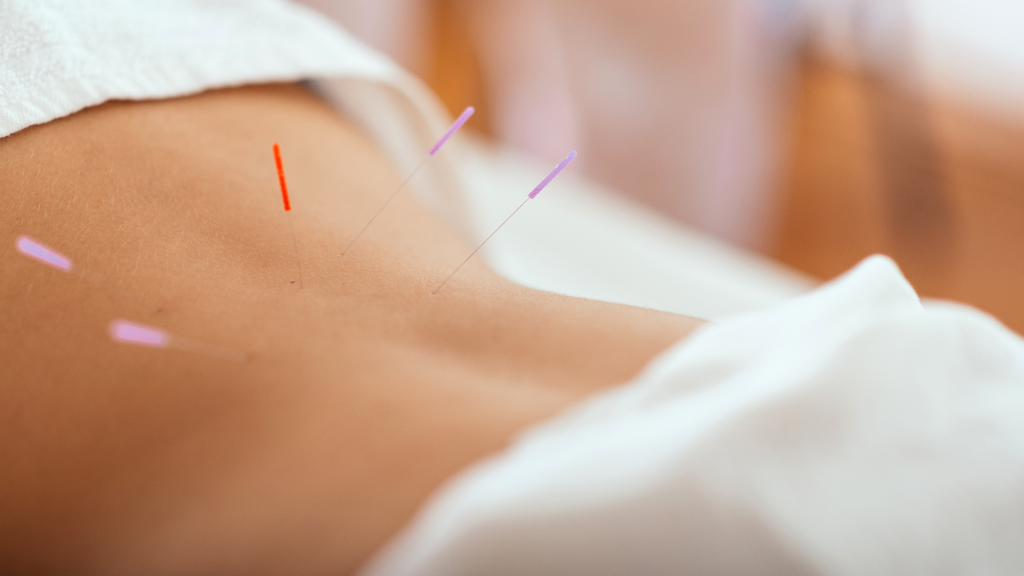
Illness in TCM is defined as a loss of balance in location or flow of qi throughout the body. It may also be viewed in terms of the magnitude of the body’s response to change or its adaptation to stress. Maladaptive response, with larger magnitude swings above or below a mean representing the balanced state results in illness, whereas smaller, gentler swings represent the normal dynamic of health. Acupuncture involves the insertion of sterile, single-use, hair-thin needles at specific points along meridians—pathways described in classical Chinese medicine that correspond with neurovascular and connective tissue structures recognized in modern anatomy. Stimulation of these points influences the nervous system, promotes circulation, and modulates inflammatory and immune responses. From the perspective of Traditional Chinese Medicine (TCM), treatments manipulate the flow of qi and blood to achieve a state of energetic balance, essentially guiding the body to fix itself.
Initial responses may be brief, lasting only a day or two. As the body registers and retains the message communicated through the needles, the response duration increases and the pattern shifts toward wellness. The longer a particular condition has existed, the more difficult it is to convince the body to remain consistently in a balanced state. Acute conditions, such as a recent fall, can be treated with only a few sessions. Chronic conditions, like osteoarthritis, require more time and more treatments to achieve lasting relief.
Clinical research demonstrates that acupuncture can stimulate endogenous opioid release, regulate autonomic nervous system activity, and influence neurotransmitters such as serotonin and dopamine. As a result, acupuncture is commonly used for conditions including acute and chronic pain, headaches, musculoskeletal injuries, digestive disorders, stress-related conditions, sleep disturbances, and women’s health concerns. The World Health Organization recognizes acupuncture as an effective treatment for dozens of conditions, particularly pain-related and functional disorders.
Electroacupuncture
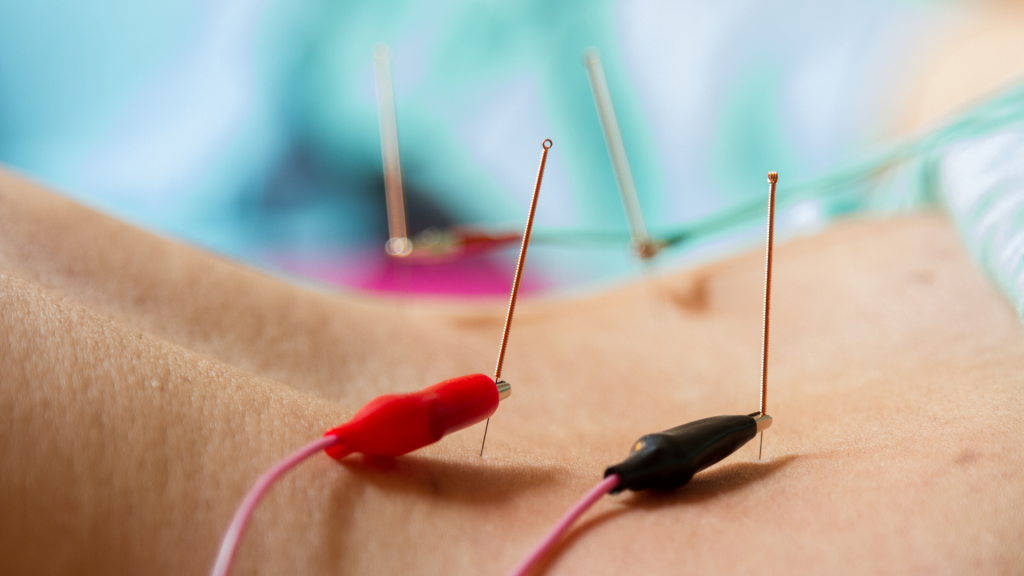
Electroacupuncture builds upon traditional acupuncture by applying a mild electrical current between pairs of acupuncture needles. The current is carefully adjusted based on patient comfort and therapeutic goals, producing a consistent and reproducible stimulation that can be especially effective for pain, nerve dysfunction, and muscle-related conditions.
Electroacupuncture has been shown to enhance analgesic effects by increasing beta-endorphin release and modulating spinal cord and central nervous system signaling. It is frequently used in the treatment of chronic low back pain, osteoarthritis, sciatica, neuropathy, post-stroke motor recovery, and myofascial pain syndromes. Compared to manual needle stimulation alone, electroacupuncture may provide longer-lasting relief in certain chronic pain conditions.
Ion Pumping Cord Therapy
Ion pumping cord therapy is a Japanese meridian-based technique developed to restore energetic balance between paired acupuncture points. Specialized cords containing diodes are used to connect acupuncture needles to guide ionic flow in one direction, helping to normalize excess or deficient patterns along a meridian. No external electrical energy is applied to the needles.
This technique is particularly useful for conditions involving chronic inflammation, pain, edema, and autonomic imbalance. Ion pumping cord therapy is often applied in cases of joint pain, sports injuries, migraines, pelvic pain, and stress-related disorders. Patients typically experience the treatment as gentle and deeply calming, making it appropriate for individuals who are sensitive to stronger forms of stimulation.
Safety and Efficacy
Acupuncture, electroacupuncture, and ion pumping cord therapy are considered safe when performed by a properly trained and licensed practitioner. Sterile, disposable needles are used in accordance with Clean Needle Technique standards. Side effects are generally mild and may include temporary soreness, bruising, or fatigue after treatment.
Electroacupuncture is contraindicated for patients with pacemakers, implanted electrical devices, or certain seizure disorders. Ion pumping cord therapy is non-invasive and well tolerated, with minimal risk when appropriately applied. These modalities are supported by growing bodies of peer-reviewed research and are increasingly integrated into hospital systems and academic medical centers, including those affiliated with the National Institutes of Health.
Treatment Expectations and Indications
Treatments are individualized based on the patient’s condition, health history, and goals of care. Some patients experience relief after the first session, while chronic conditions typically require a series of treatments for sustained improvement. Common indications include:
Acute and chronic pain conditions
Neurological disorders and nerve pain
Stress, anxiety, and sleep disturbances
Digestive and functional disorders
Women’s health and hormonal balance
Injury recovery and inflammation
By integrating traditional acupuncture with electroacupuncture and ion pumping cord therapy, treatment plans can be tailored to support both immediate symptom relief and long-term physiological regulation.
Acupuncture treatments last from 25–45 minutes depending upon the condition being treated and the type of treatment selected. Dr. Yelverton employs a variety of disciplines in her treatments including TCM-based, five elements-based, medical acupuncture, auricular acupuncture, and extraordinary vessel treatments as dictated by her patients’ needs. Patients undergo a brief reassessment at each subsequent visit to assist in determining therapeutic efficacy and to direct ongoing care. The total visit time for follow-up treatments will run from 45–60 minutes.